The First Draft
Writing your first draft is the moment your story truly begins. It will be messy, exciting, and sometimes overwhelming, but the key is to keep going. Get the words down, keep the basics clean, and remember that you can only edit what exists.
Produc ing a manuscript, your first draft
This is where it all begins. The ideas, the planning, the notes, and the daydreams finally come together on the page. Writing your first draft is both thrilling and terrifying. It is the moment you stop talking about writing a book and actually start doing it. The blank page will stare back at you, but this time, you are ready for it.
The mindset you need
The first draft is not about perfection. It is about momentum. It is about getting the story out of your head and into words so you can shape it later. Every writer wants their first draft to be brilliant, but the truth is, it will be messy, uneven, and sometimes confusing. That is exactly how it should be.
The goal is progress, not polish.
That said, try to keep the basics clean as you go. Good spelling, simple punctuation, and readable grammar will save you a mountain of frustration later during editing. You do not need to obsess over every comma, but keeping the foundations tidy makes the next stage smoother. Think of it as setting yourself up for success rather than fixing preventable chaos.
How to start
Start anywhere. If the opening scene feels too heavy, jump to a moment you are excited about. Write out of order if you need to. The important thing is to get words down. Once the story exists, you can shape it into a sequence later.
Prompts to help you start:
-
What is the first image that comes to mind when you think of your story?
-
Which scene or moment feels the most alive right now?
-
What conversation, secret, or turning point are you eager to write?
Write that first. Momentum matters more than order.
How to keep going
Writing a draft is a long process, and enthusiasm naturally fades over time. To keep going, build habits that help you show up even on difficult days.
Tips to stay consistent:
-
Set small, realistic goals such as 500 to 1,000 words a day.
-
Choose a writing schedule and protect that time like any other appointment.
-
Keep your chapter overview or outline nearby to remind you where you are.
-
Track your progress in a notebook or novel planner. Seeing your word count grow can be a huge motivator.
-
Do not stop to edit as you write. Every time you rewrite a paragraph, you slow your momentum. Keep moving forward, but fix small things like spelling as you go.
When you feel stuck, skip ahead to a later scene. Writing out of order is better than stopping altogether.
The purpose of a first draft
A first draft is discovery. You are learning who your characters really are, how your plot fits together, and what your world feels like in motion. Even if you planned every detail, you will still uncover surprises.
The story you imagined before writing will evolve. Characters will say things you did not expect. New ideas will appear mid-sentence. Let them. That is where the best writing happens.
Dealing with doubt
Every writer, no matter how experienced, doubts their first draft. You will have days when you think the story is brilliant and others when you are convinced it is rubbish. Both are normal.
Here are a few truths to keep in mind:
-
Every book you have ever loved started as a messy first draft.
-
You cannot fix what does not exist, so get it written first.
-
Confidence grows through completion, not perfection.
-
Bad writing can always be improved, but a blank page gives you nothing to work with.
If the inner critic gets too loud, remind yourself that this draft is private. No one needs to see it yet. It is yours to explore, shape, and even break if you have to.
Tracking your progress
Use your novel planner or a simple notebook to log daily or weekly word counts. Record small milestones such as finishing a scene, completing a chapter, or reaching 10,000 words.
Celebrate each milestone. Small wins keep you moving toward the bigger goal.
If you find your energy dipping, look back at earlier notes or reread a section that excites you. Reconnecting with what you love about your story can reignite motivation.
What a first draft should look like
It does not have to be neat or formatted, but it should be legible. You do not need chapter titles or perfect transitions, but aim to make it readable enough that you can return to it later without confusion.
Your draft might contain:
-
Notes to yourself in brackets, such as [add description later] or [check timeline].
-
Placeholder names for characters or places.
-
Gaps where you skip sections that are not clear yet.
-
Dialogue with no punctuation or stage direction.
That is fine. The goal is to tell the story, not perfect it. Keeping your writing clean enough to understand later will make editing far easier.
The rhythm of the draft
Some days you will write a thousand words with ease. Other days, you will struggle to write fifty. Both count. Consistency matters more than volume.
Try to end each writing session with a short note about what happens next. When you sit down again, you will know where to start. This one trick can save you from losing momentum.
Common pitfalls
-
Editing too early and losing flow
-
Ignoring spelling and grammar completely, which causes heavy work later
-
Comparing your draft to finished books
-
Skipping writing sessions until the habit breaks
-
Getting stuck on one scene for too long
-
Letting fear of imperfection stop you from finishing
-
How to know you are making progress
You will know you are moving forward when you start seeing the story come alive on the page. Your characters begin making choices without you forcing them. The world feels more real. You start to believe in the story’s shape.
If you can read through what you have and feel a spark of connection, you are doing it right.
Finishing the draft
When you reach the end, even if it feels rough or incomplete, stop and take a moment to appreciate it. Finishing a first draft is an enormous achievement. Most people never get that far.
Your story now exists in full form. It can be improved, edited, and refined, but the hardest work is done. You wrote a book.
Use your tools
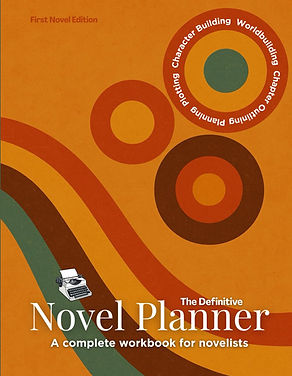
A novel planner is your best companion through this stage. Use it to track word count, mark completed chapters, and note scenes you want to revisit. If you prefer working by hand, a notebook works just as well.
Whichever tools you choose, remember this: your first draft does not need to be perfect. It just needs to be written, and written with enough care that the editing process becomes an act of refinement, not repair.
Write bravely. Write honestly. Keep it clean enough to build on. But most importantly, keep writing.
Summary: The First Draft
-
The first draft is about progress, not perfection
-
Focus on momentum and getting your ideas onto the page
-
Keep spelling, grammar, and punctuation reasonably tidy to save time later
-
The story will change as you write, and that is part of the process
-
Start anywhere, especially with the scenes that excite you most
-
Set small daily or weekly word count goals to stay consistent
-
Use your overview or outline to keep direction clear
-
Do not stop to over-edit as you write; light corrections are fine, heavy revisions can wait
-
Track your word count and celebrate small milestones
-
Expect rough spots and off days — consistency matters more than volume
-
Avoid comparing your draft to finished books or worrying about style too soon
-
Remember that good editing starts with a solid, readable draft
-
Use a novel planner or notebook to track progress, notes, and chapter goals
-
Finishing a first draft is a major achievement, so take a moment to acknowledge it