Chapter Outlines
A chapter outline is your step-by-step plan for what happens inside each chapter. It breaks your ideas into scenes, actions, and emotions so you always know where the story is heading. In this section, we’ll look at how to build outlines that give your writing direction without limiting your creativity.
It's all in the detail: Chapter Outlining
A chapter outline is where your story begins to take shape. Once you have your chapter overview as a map, the outline becomes the turn-by-turn directions. It helps you see what happens within each chapter, scene by scene and beat by beat. Outlining is the stage where ideas start to feel solid, pacing becomes visible, and your story’s rhythm begins to come alive.
What a chapter outline does
A chapter outline breaks a chapter into smaller parts, showing what happens, who is involved, and how the emotional tone develops from start to finish. It helps you:
-
Manage pacing within each chapter
-
Plan how tension rises and falls
-
Ensure every scene serves a clear purpose
-
Balance dialogue, description, and action
-
Stay consistent with character arcs and subplots
An outline is not a script, but it should be detailed enough that when you sit down to write, you already know where you are heading.
How it differs from a chapter overview
A chapter overview gives you a summary of what each chapter achieves. A chapter outline explains how it achieves it.
The overview might say, “The protagonist discovers the truth about the letter.”
The outline breaks that down into steps:
-
The protagonist finds the letter in a drawer.
-
They recognise the handwriting and panic.
-
A flashback reveals who wrote it.
-
The moment ends with a decision to confront the sender.
That level of detail helps you visualise the scene’s rhythm, tension, and purpose before you start writing.
What to include in a chapter outline
Your outline should include everything needed to understand how the chapter will unfold. Keep it structured but flexible.
For each chapter, include:
-
Chapter title or number
-
Scene breakdowns
-
Characters involved in each scene
-
Scene purpose or conflict
-
Emotional progression
-
Links to other chapters
Example:
Chapter 7 – The Decision
-
Scene 1: Lily and Marcus argue about whether to leave the colony.
-
Purpose: Reveal Marcus’s fear of failure.
-
Conflict: Lily accuses him of cowardice.
-
Emotion: Frustration turns to regret.
-
-
Scene 2: Marcus walks through the sleeping quarters, noticing families packing.
-
Purpose: Show the impact of the crisis.
-
Emotion: Builds empathy and determination.
-
-
Scene 3: Marcus decides to stay and help rebuild.
-
Purpose: Turning point in character arc.
-
Emotion: Resolution and hope.
-
This kind of structure keeps you focused on purpose and emotion while giving flexibility for creativity.
How to create your outlines
-
Start with your chapter overview list.
-
Expand one chapter at a time into scenes or beats.
-
Write a short summary of each scene’s purpose and outcome.
-
Add emotional notes to guide tone.
-
Check that tension rises naturally.
-
Make sure each scene connects logically to the next.
Prompts to guide you:
-
What changes between the start and end of this chapter?
-
Where are the emotional highs and lows?
-
What new information or conflict is introduced?
-
Does this chapter push the story forward?
-
How will the next chapter build on this one?
Scene structure and pacing
Each scene within a chapter should follow a simple rhythm: goal, conflict, consequence. A character wants something, faces resistance, and either succeeds, fails, or learns something new.
Avoid scenes where nothing changes. If a scene feels slow or flat, add conflict, emotion, or a decision. Every scene should affect either the story or the reader.
If a chapter feels too long or slow, break scenes apart or merge them differently. The outline helps you fix pacing issues before drafting.
Emotional continuity
Good outlines track emotional flow as well as events. Note how each scene should make the reader feel. A chapter might start hopeful, move through frustration, and end on determination.
This awareness helps you build emotional rhythm across your story. If several chapters in a row feel the same, consider shifting tone or pace.
Linking to the bigger picture
Use your outline to make sure each chapter connects to the main plot and subplots. Ask yourself:
-
What is this chapter’s role in the story as a whole?
-
Does it support a character’s growth or an ongoing theme?
-
Is there an opportunity to foreshadow or reflect on earlier events?
This keeps your story cohesive and prevents accidental plot drift.
How detailed should it be
The level of detail depends on your writing style. Some writers use brief bullet points. Others prefer full scene-by-scene notes. Include enough detail to give you direction, but not so much that you lose flexibility or discovery.
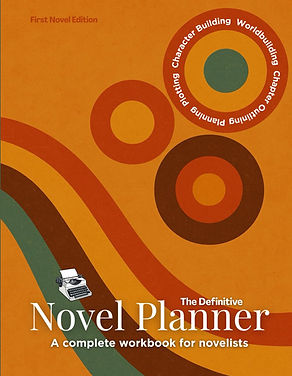
If you are using a novel planner, it will likely include sections for outlining each chapter. Use these to stay organised and consistent.
If you prefer paper, dedicate one page per chapter in a notebook. You can also draw diagrams or short graphs showing how tension rises and falls across the scenes.
Reviewing your chapter outlines
Once you finish your outlines, read through them together to see the overall shape of your story. Look for where tension builds and relaxes, where characters grow, and where energy dips.
Ask yourself:
-
Are the emotional highs and lows balanced?
-
Do any chapters repeat ideas or emotions?
-
Are transitions between chapters smooth?
If something feels off, adjust the order, pacing, or focus until it flows naturally.
Common pitfalls
-
Writing outlines so detailed that they replace the creative draft
-
Forgetting emotional tone or purpose
-
Losing track of subplots or recurring themes
-
Failing to link scenes logically
-
Treating outlines as final rather than flexible
How to know your outline works
If you can read your outline and clearly picture the chapter from start to finish, it works. You should feel the emotional movement, understand the purpose of each scene, and see how it supports the rest of your novel.
When your outline makes you want to sit down and start writing, you have done it right.
Use your tools
A novel planner is ideal for this stage. It will often have dedicated pages for chapter outlines, scene notes, and emotional tracking. This helps you stay organised as your story grows.
If you do not have a planner, a notebook is perfectly fine. Keep each chapter on a separate page and leave room for edits or extra notes later.
Outlines are not restrictions. They are guides that give you clarity and confidence. When you know where a chapter starts, where it ends, and what it needs to do, the writing itself becomes much smoother.
Summary: Chapter Outlines
-
Chapter outlines break each chapter into scenes, actions, and emotional beats
-
They help manage pacing, tension, and flow at a detailed level
-
A chapter overview tells you what happens; a chapter outline shows how it happens
-
Outlines ensure every scene has purpose and connects logically to the next
-
Include scene goals, conflicts, emotional tone, and links to other chapters
-
Use outlines to track character arcs and maintain emotional continuity
-
Each scene should follow a simple rhythm: goal, conflict, consequence
-
Keep outlines flexible so you can adjust pacing or structure later
-
Review outlines together to see the story’s overall shape and balance
-
Avoid writing outlines so detailed that they replace the creative draft
-
A good outline should make you want to write, not feel restricted
-
Use a novel planner or notebook to stay organised and track changes
-
Outlines are guides, not rules; they help you write with purpose and confidence